Cybersecurity Career Salary and Growth in 2026: The Honest Numbers
The Bureau of Labor Statistics projects 29% job growth for information security analysts from 2024 to 2034. That's roughly six times faster than the average across all occupations. And yet, the top barrier to cybersecurity hiring in 2026 isn't a shortage of qualified candidates. It's budget cuts.
That tension defines the field right now. Demand is structural, salaries have stayed strong, and the global talent gap has ballooned to 4.8 million unfilled positions. But organizations are simultaneously claiming they can't find security talent while freezing the headcount to hire them. Knowing how these forces interact separates a smart career move from a frustrating job search.
What Cybersecurity Professionals Actually Earn in 2026
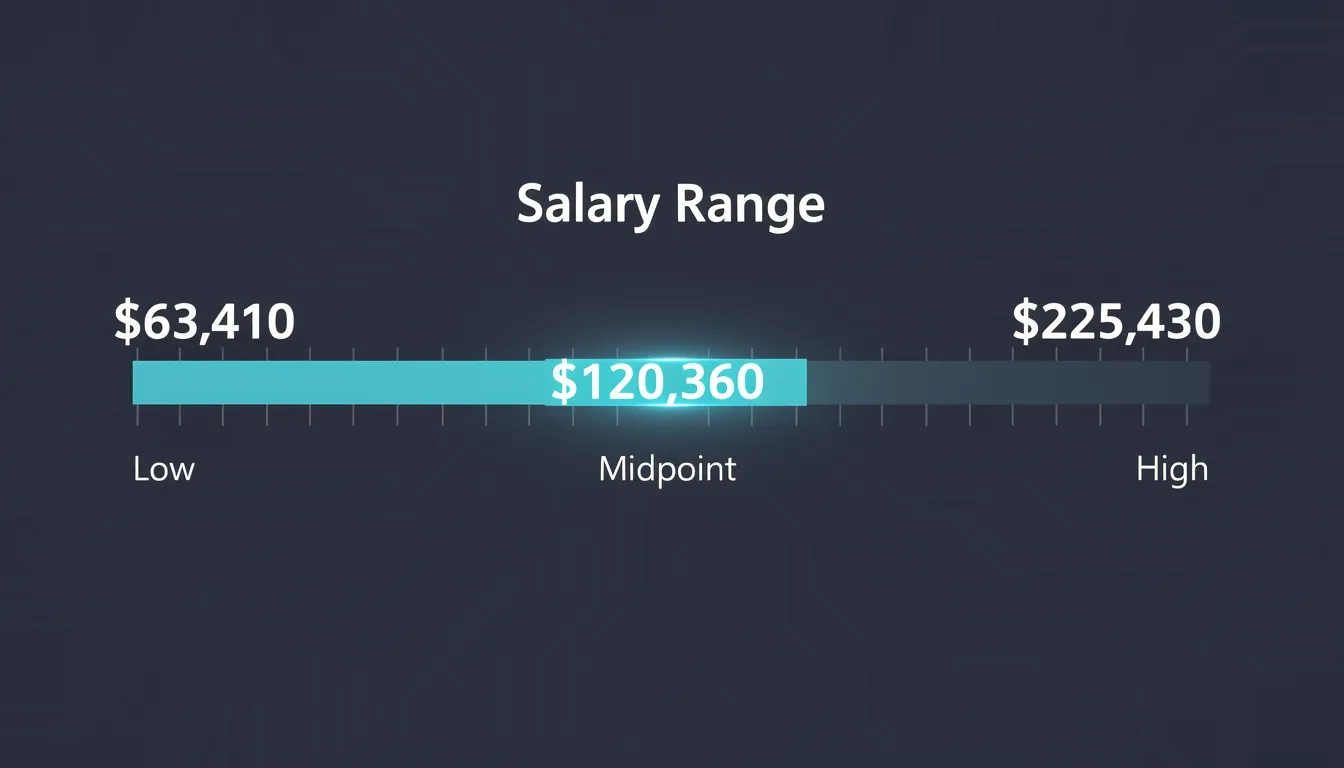
The U.S. median salary for information security analysts sits at $120,360, per Bureau of Labor Statistics data. The full spread runs from $63,410 at the 10th percentile to $179,950 at the 90th. That's a wide band, and where you land in it depends heavily on specialization, certifications, and geography.
Robert Half's 2026 Salary Guide puts specific midpoint figures on individual roles: Cybersecurity Analysts at $122,250, Cybersecurity Engineers at $144,000, Security Architects at $157,250, and Systems Security Managers at $172,500. These are midpoints, not ceilings, and candidates with in-demand skills regularly negotiate above them.
Entry-level positions, specifically Security Analysts and junior SOC staff, generally fall between $70,000 and $100,000. Mid-level engineers and risk analysts sit in the $105,000 to $180,000 range. Experienced Security Architects, Threat Hunters, and Security Managers can clear $175,000 to $300,000-plus.
CISOs occupy a different conversation entirely. Average CISO compensation sits around $385,165 as of April 2026, with top earners at large enterprises crossing $400,000 when bonuses and equity are factored in. The CISO is now a boardroom role with personal liability exposure, and the compensation reflects that.
Certifications move the number. CISSP holders average $136,000 annually. CEH holders average $107,000. The delta between certified and non-certified candidates at the same experience level can exceed $15,000, and that gap compounds at senior levels.
| Experience Level | Typical Roles | Salary Range |
|---|---|---|
| Entry (0–3 yrs) | SOC Analyst, Security Analyst | $70,000–$100,000 |
| Mid (3–7 yrs) | Security Engineer, Risk Analyst | $105,000–$180,000 |
| Senior (7+ yrs) | Security Architect, Threat Hunter | $175,000–$300,000+ |
| Executive | CISO, VP Security | $243,000–$400,000+ |
The Roles Commanding the Biggest Premiums
Not all security jobs pay equally, and the gap between specializations has widened since 2024. Three areas are running significantly ahead of the overall median.
Cloud Security Engineers carry a 25–35% salary premium over generalist security roles, according to ISC2 and ISACA workforce data. The expansion of multi-cloud and hybrid infrastructure means every organization needs someone who can secure assets that live outside the traditional network perimeter. Supply hasn't caught up to that demand.
AI and machine learning security specialists — professionals defending AI systems against adversarial attacks, model poisoning, and data exfiltration — command a 30–40% premium. This specialization barely existed as a distinct job category three years ago. Now 41% of security teams identify it as their top skills gap. That mismatch between supply and demand is exactly where careers get built.
Incident Response and Digital Forensics roles are running 15–25% above median. Breach disclosure timelines are tightening under GDPR updates and U.S. state privacy laws, which means organizations can no longer treat IR as a reactive afterthought.
The professionals who can implement security solutions at the intersection of AI and traditional infrastructure are the rarest and highest-compensated in the field right now, per ISC2's 2025 Cybersecurity Workforce Study.
Penetration testers with cloud-specific tooling or red team experience against AI environments are similarly sought. The generalist security professional still has work. But the specialists are the ones getting the retention bonuses and the competing offers.
The Workforce Gap That Won't Close
Here's the figure cited everywhere: 4.8 million unfilled cybersecurity positions globally, according to ISC2's 2025 Cybersecurity Workforce Study. The global workforce would need to grow 87% to meet current demand, per a World Economic Forum analysis. Those aren't small numbers.
The U.S. piece of this: CyberSeek tracked 514,359 open cybersecurity positions as of March 2026, up 12% year-over-year. According to Indeed Hiring Lab, security remains the only major tech sector with job postings sitting above pre-pandemic baseline levels. The broader tech market has contracted; security has not.
But here's what the headline shortage figure obscures. Budget cuts are now ranked as the primary hiring barrier, displacing talent scarcity for the first time in years. Thirty-one percent of organizations made zero entry-level cybersecurity hires in the past 12 months despite the gap. The writing is on the wall: companies claim to need security talent while cutting the positions required to bring it on.
The cost is measurable. Understaffed organizations absorb $1,760,000 in additional breach-related costs compared to well-staffed peers, according to industry research. That figure rarely enters the budget conversation until after the incident.
Only 15% of firms expect skills availability to improve by year-end 2026. For job seekers, this means: demand is genuine, but the hiring process can be slow and politically complicated inside organizations. Half of all companies take more than six months to fill a cybersecurity vacancy. Plan accordingly.
Where the Jobs Are and Where They Pay Most
Geographic concentration still matters, even with remote work expanding the field. The highest salaries cluster in Washington D.C., the San Francisco Bay Area, New York, Boston, and Seattle. Washington D.C. deserves particular attention: defense contractors regularly post mid-level roles at $130,000 to $160,000, and a federal security clearance adds another 10–20% on top of that.
That said, 56% of cybersecurity professionals now work in hybrid or fully remote arrangements. This has meaningfully broadened the talent pool and compressed some regional salary premiums. A Security Engineer in Columbus, Ohio can now compete for roles that required a Bay Area address in 2021.
Remote opportunity is clearest in threat intelligence, cloud security, and GRC (governance, risk, and compliance) functions. On-site requirements remain sticky for classified work, physical network infrastructure, and roles requiring active lab environments. If schedule flexibility matters to you, target cloud-native or compliance-focused teams when evaluating opportunities.
Cybersecurity is also one of the few fields where public sector pay is genuinely competitive with private sector. Federal civilian positions often offer strong benefits alongside salaries that rival mid-market tech companies, and the job stability is harder to replicate elsewhere.
The Burnout Reality That Job Postings Don't Mention
The workforce data has a shadow side. 76% of cybersecurity professionals report experiencing burnout, and 24% say they're actively considering leaving the field. Half of organizations struggle with retention at the 2–3 year mark.
The causes aren't mysterious. Alert fatigue is real: a typical SOC analyst reviews hundreds of alerts per shift, and a significant share are false positives. Many teams are chronically understaffed (see: the hiring freeze problem above), which means the people who are there carry more than they reasonably should. The work is high-stakes in a way that doesn't let you mentally clock out.
For anyone evaluating offers: ask specifically about team size relative to the organization's asset count. Ask about on-call rotation frequency. Ask whether the team handles incidents internally or works alongside a managed detection and response (MDR) provider. The job posting won't tell you any of this, but the answers in an interview reveal a lot about culture.
The organizations winning on retention are offering tooling budgets that reduce manual alert triage, clearer promotion tracks, and genuine reductions in on-call burden. In a market where 24% of professionals are considering the exit, these aren't perks — they're baseline expectations for competing for good candidates.
How to Position Yourself for the Best Opportunities
The single highest-leverage move you can make: pick a high-premium specialization and go deep. Generalist security skills will keep you employed. Cloud security or AI security expertise will put you 30% above median and generate competing offers.
Here's a practical framework by career stage:
Entry-level (0–3 years): Start with CompTIA Security+, which appeared in 70,019 recent job postings per CyberSeek data. Target SOC Analyst or Security Analyst roles. The goal in year one is hands-on exposure to real environments, not accumulating certifications you can't contextualize.
Mid-level (3–7 years): Add cloud-specific credentials. AWS Security Specialty, Google Professional Cloud Security Engineer, or Microsoft AZ-500 are all broadly recognized. The CISSP is worth pursuing after five years of qualifying experience; average salary for holders is $136,000 for a reason.
Senior (7+ years): AI security is the clearest growth path right now. Specifically: adversarial ML defense, LLM security testing, and auditing AI pipelines for data poisoning risks. Getting into this specialization during 2024–2026, while it's still forming, pays off disproportionately.
Federal contracting is chronically underrated as a path. Clearances take 6–18 months to process, but the pay ceiling is high and demand is insulated from private-sector hiring cycles. Firms like Booz Allen Hamilton and Leidos post hundreds of cleared cybersecurity roles at any given time.
My read on this: the strongest argument for cybersecurity as a career in 2026 isn't "there are millions of open jobs." It's that AI-driven threats are making attacks more complex at exactly the moment organizations are trying to run leaner security teams. That dynamic keeps specialist salaries elevated regardless of broader tech hiring cycles. The generalists will feel budget pressures. The specialists won't.
Bottom Line
- Specialize, don't generalize. Cloud and AI/ML security specialists earn 25–40% above the overall median. Picking a lane early is the highest-return investment you can make in this field.
- Certifications pay real dividends. CISSP holders average $136,000. Security+ is the baseline most employers filter for. Both are worth the time.
- Interrogate team health before accepting any offer. With 76% burnout rates across the field, the condition of your immediate team matters as much as the salary number on the offer letter.
- Federal contracting is underrated. Clearance-required roles pay 10–20% above comparable private-sector positions and weather budget cycles better.
- The job market is strong but not frictionless. Budget freezes and six-month approval chains make hiring slow even when demand is real. Build your specialization now, before you're in a rush.
Frequently Asked Questions
Is cybersecurity still a good career to enter in 2026?
Yes, with realistic expectations. The BLS projects 29% growth through 2034, and CyberSeek tracked 514,359 open U.S. positions as of March 2026. The friction point is that budget constraints slow hiring even when demand is genuine. Entry-level candidates should expect longer timelines than the raw job-gap statistics imply and should target organizations with active security budgets rather than assuming any opening equals a fast hire.
What's the fastest path to a six-figure cybersecurity salary?
Cloud security or AI/ML security specialization is the clearest route. Cloud Security Engineers and AI security professionals earn 25–40% above the overall field median. Pairing hands-on cloud experience with a recognized certification like AWS Security Specialty or CISSP can put you above $120,000 within four to five years of entering the field, faster than most generalist paths.
Does the workforce shortage mean certifications aren't necessary anymore?
This is a persistent misconception. The shortage doesn't bypass initial screening. CISSP appeared in 82,494 job postings and Security+ in 70,019 per CyberSeek data. Recruiters use certifications to filter the applicant pool quickly, and without one, your resume may not reach a human reviewer even in a tight labor market. The shortage helps you once you're in the process; it doesn't replace credentials.
How seriously should I weigh the cybersecurity burnout statistics?
Very seriously. The 76% burnout figure from ISC2's 2025 workforce study reflects chronic understaffing, alert fatigue, and high-stakes work that doesn't clock out. Before accepting a role, ask the hiring team about on-call rotation frequency, team-to-asset ratio, and whether they use MDR services to reduce analyst workload. The answers will tell you more about your day-to-day than the job description will.
What's actually driving salary growth right now?
Three things: expanding attack surfaces from cloud and AI adoption, tightening regulatory requirements around breach disclosure timelines, and the specialization premium that has opened up around AI and cloud security skills. Robert Half's 2026 data also shows 53% of U.S. employers are willing to increase starting pay for in-demand security candidates and 41% specifically for cloud security expertise — both figures that suggest salary pressure is coming from employers, not just candidates negotiating harder.
How does a federal security clearance affect cybersecurity compensation?
A clearance typically adds 10–20% to base pay for equivalent roles. TS/SCI clearances command the highest premium. The trade-off is that the clearance process takes 6–18 months and requires a relatively clean background check. For anyone with a long time horizon in this field and interest in defense or intelligence work, the investment is worth serious consideration — particularly because that segment of the market is less vulnerable to the private-sector budget freezes currently slowing civilian hiring.
Sources
- What to Know About Hiring and Salary Trends in Cybersecurity | Robert Half
- Cybersecurity Job Market Statistics and Trends [2026] | StationX
- 4.8 Million Unfilled Cybersecurity Jobs: Inside the Global Talent Crisis | Hakia
- US Cybersecurity Salary Trends in 2026: What Security Talent Really Costs | Hamilton Barnes
- Cybersecurity Talent & Workforce Shortage Stats (2026) | Programs.com